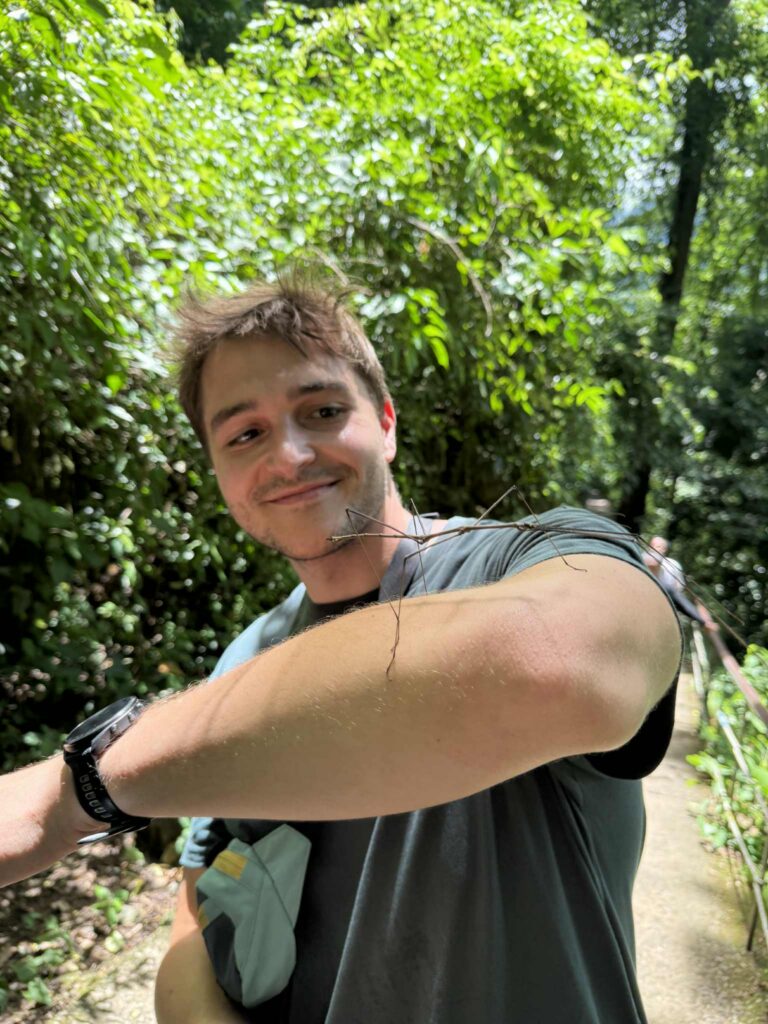
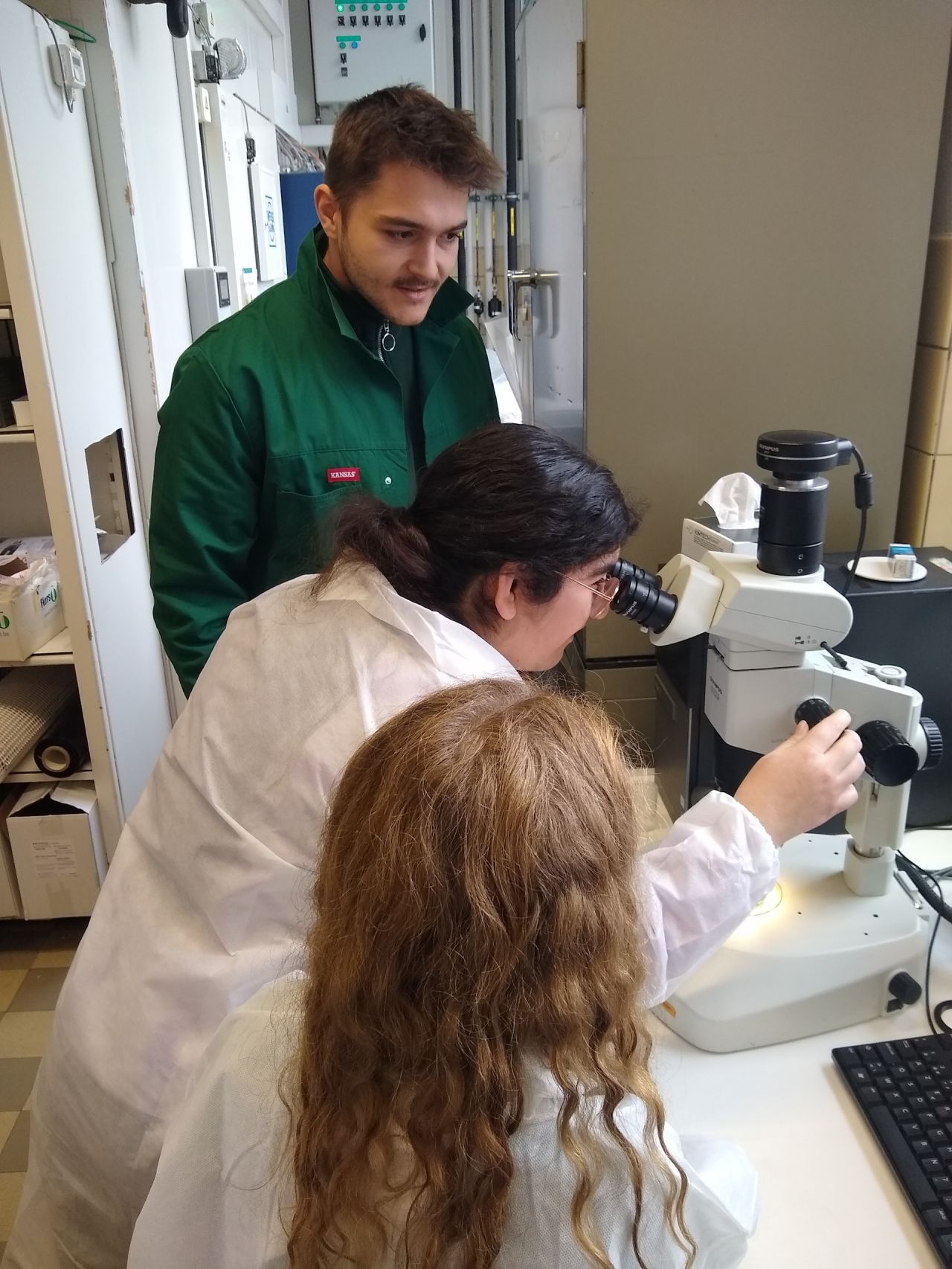
I am a biologist fascinated by the form, function, and evolution of eggs. My research explores how eggshells across animals combine mechanical strength, protection, gas exchange, and coloration into a single multifunctional structure, with a particular focus on the remarkable eggs of stick insects
GET TO KNOW ME AND MY WORK
About me
I’m an enthusiastic, highly motivated go-getter with a never-ending interest in science. Passionate about trying to leave the world a better place, wildlife-conservation, science communication, ecology, working-out, and statistics!
During my PhD at Ghent University, I investigated the functional morphology of eggshells using tools from materials science and biology, including microscopy, spectroscopy, and mechanical testing.
This work revealed surprising parallels across distant animal groups and highlighted how these structures inspire bioinspired material design.
I enjoy working at the interface of biology and materials science, and I am always keen to connect with researchers interested in evolution, biomaterials, and biomimicry.
Some of my work
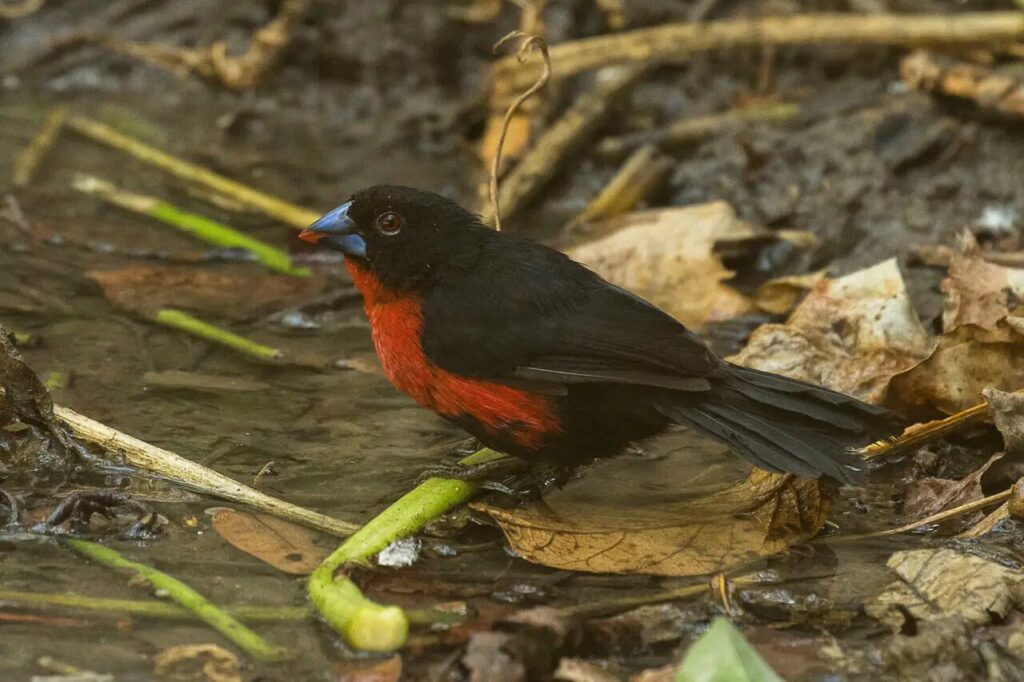
Nanoscale millefeuilles produce iridescent bill ornaments in birds
We discovered iridescence in a beak! After delving into the mechanism of it we found that, unlike most iridescent plumage coloration, this one is not created by melanosomes, but by hundreds of alternating thin layers of keratin and lipids creating altogether this colorful phenomenon! Image by Francesco Veronesi
Convergence in biomineralization patterns across animal eggshells
While we know plenty about how bird eggs mineralize, invertebrate eggshells have remained a mystery… until now! Turns out, all these animals use a surprisingly similar biomineralization pattern, but with some key differences!
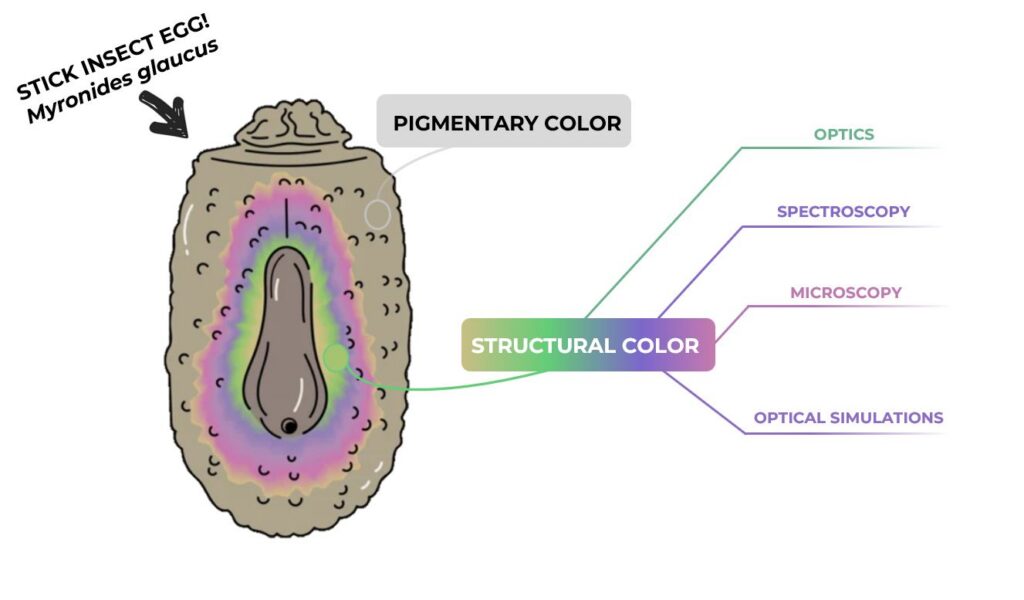
Thin film iridescence in the eggshell of a stick insect
Iridescence can be found almost everywhere! Even in the eggs of stick insects. Unlike most stick insect eggs, that get their colors from pigments, these eggs have a purple-to-green iridescence. Read the study to find out how they do it!
Stay In Touch
Lorem ipsum dolor sit amet, consectetur adipiscing elit. Ut elit tellus, luctus nec ullamcorper mattis, pulvinar dapibus leo.